Neurowellness Is Taking Over Dubai—But Can You Really Train Your Brain?
What if the next status symbol in Dubai is not a watch, a car or even a biological-age score—but a brain that can switch off on command?
That sounds like science fiction. Yet across the city, people are putting sensors on their scalps, watching films that respond to their brain activity and asking a very modern question: if we can train the body, can we train the brain too?
This is neurowellness in Dubai: a fast-growing space where brain mapping, neurofeedback, sleep, stress regulation and mental performance meet. It is attracting parents with exhausted teenagers, executives with “20 tabs open,” athletes chasing composure and wellness fans who have already measured almost everything else.

The brain has become Dubai’s next wellness frontier
Dubai’s wellness story used to be easy to see: hotel spas, fitness clubs, green juices and beautiful retreats. Then came wearables, recovery scores, red-light therapy and longevity clinics. The new obsession is less visible: attention, emotional control, sleep and the ability to recover after pressure.
The timing is not accidental. The Global Wellness Summit named “The Rise of Neurowellness” one of its defining trends for 2026. Meanwhile, the Global Wellness Institute valued the UAE wellness economy at about US$40.8 billion in 2024 and reported average annual growth of 14.3% from 2019 to 2024.
Those figures do not prove that every brain-training service works. They do explain why an idea combining personalisation, technology and self-improvement feels almost tailor-made for the UAE.
So what is neurofeedback—without the science-speak?
Neurofeedback is non-invasive brain training that gives the brain real-time feedback about selected patterns of its own activity.
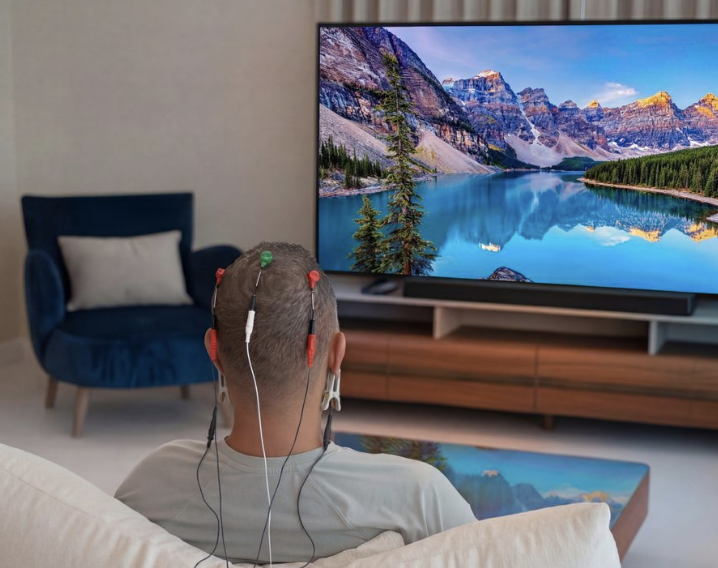
Small sensors placed on the scalp record electrical activity. Software then turns part of that information into something you can see or hear. A film might become clearer, music may change or a game may respond when the measured activity moves towards a chosen target.
The simplest explanation is: your brain receives a mirror, not an electric shock. Standard EEG neurofeedback records activity and responds to it; it does not normally send electricity into the brain.
And what exactly is a “brain map”?
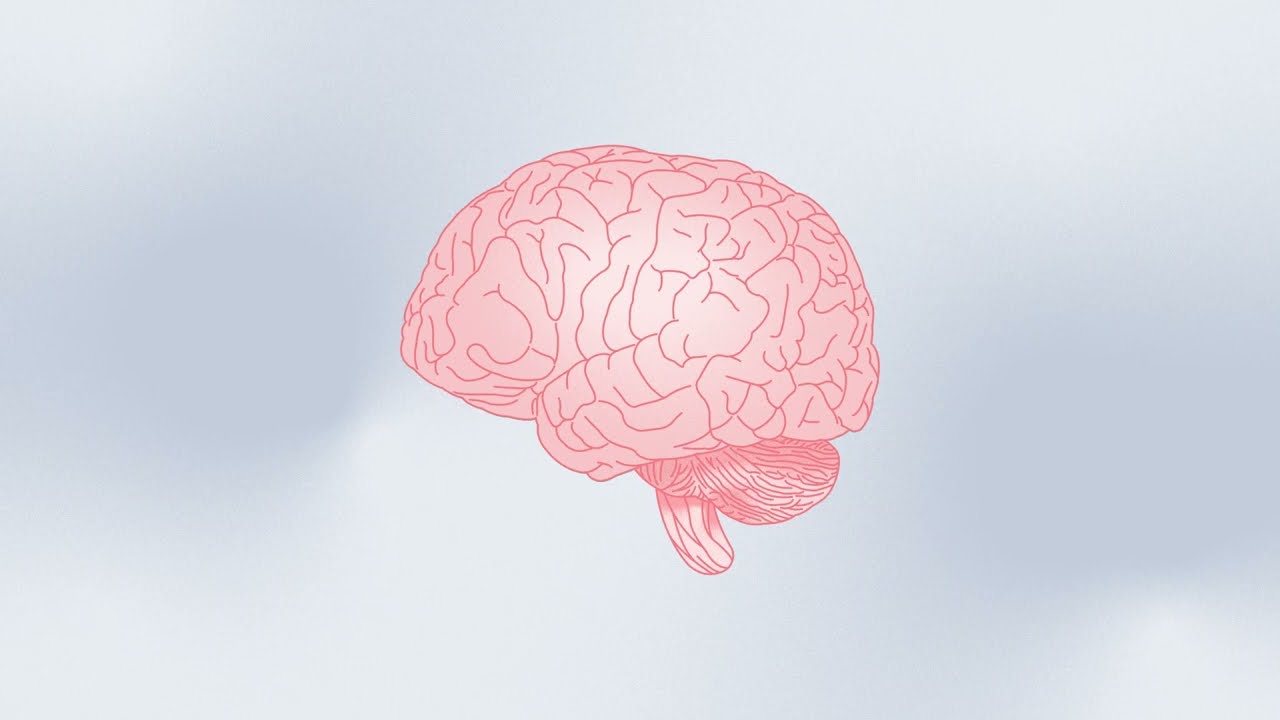
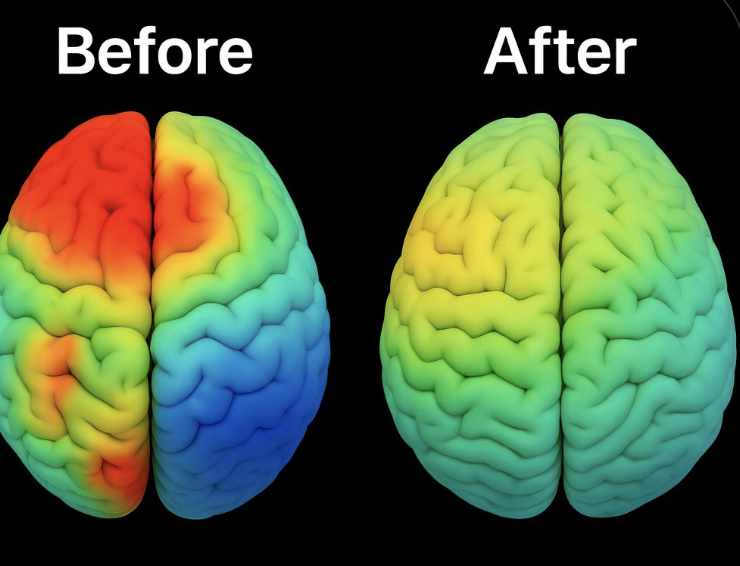
EEG records electrical activity from the scalp. Quantitative EEG, usually called QEEG, uses computer analysis to examine patterns in that recording and may compare them with a reference database.
The colourful result can look dramatic, but it is not an MRI, it cannot read thoughts and it should not be treated as a diagnosis by itself. Eye movement, muscle tension, tiredness and sensor quality can all affect a recording. The expertise of the person interpreting it matters as much as the graphics on the screen.
Brain performance at every age and stage
Different lives create different pressure. That is why neurowellness is moving beyond the “biohacker” stereotype. The person in the chair might be a child who cannot settle into homework, a founder who cannot stop replaying meetings or an athlete preparing for competition.
Children and teens
For families, the real issue is rarely an abstract brainwave. It is the nightly homework battle, a teenager who cannot wind down or a child who finds sustained attention difficult. MindTune says it works with children from age seven. Parents should ask about practitioner qualifications, safeguarding, consent and coordination with existing medical or educational care.
Executives and professionals
Many professionals do not need help “working harder.” They need to move from intensity to recovery without carrying the entire working day into bed. The attractive promise here is not superhuman productivity; it is clearer focus in a meeting and less mental noise afterwards.
Athletes and performers
Athletes train strength, technique and recovery, but performance can still disappear under pressure. Brain-performance programmes may focus on attention, composure and regulation around competition. They are not a substitute for coaching, sports medicine or psychological care.
Wellness and longevity seekers
For people already tracking sleep and recovery, brain data can feel like the missing piece. The useful question is not “How impressive does my map look?” but “Does this information lead to a sensible plan—and do I notice a meaningful difference in ordinary life?”
Teams and organisations
Corporate wellness is also shifting from generic motivation towards attention, stress and recovery. Any workplace programme should remain voluntary, protect privacy and avoid turning personal brain data into an employee-performance score.
The best result is the one you notice in real life
Brain data can be fascinating. But most people are not really buying a colourful chart. They are hoping for a change they can feel on a Tuesday afternoon or at 2am.
Sleeping through the night. Finishing homework without another battle. Feeling clearer in a meeting. Recovering more quickly after pressure. Feeling less reactive. Competing with greater composure.
MindTune highlights these as examples of the everyday changes clients may care about. They are not guarantees, and individual experiences vary. A responsible provider should agree on real-world goals before training begins and review whether anything meaningful is changing—not simply sell more sessions because a graph moved.
Inside MindTune’s “Map. Train. Measure.” approach
Meet MindTune, ORA’s neurowellness partner at Longevity Hub in DIFC—and one of the most interesting places in Dubai to experience brain training for yourself. Its approach is refreshingly simple: Map. Train. Measure. A QEEG assessment creates a personal baseline, neurofeedback sessions are tailored to the way you want to feel or perform, and progress is reviewed using follow-up data alongside the changes you notice in real life.
MindTune’s specialist team includes a CDA-licensed clinical psychologist and a PhD neuroscientist, bringing clinical insight and brain-performance expertise into one highly personalised experience. Visit the DIFC studio or arrange private home and office sessions across Dubai, Abu Dhabi and Sharjah, subject to availability. For ORA readers curious about calmer focus, better recovery or sharper performance, MindTune is our partner to know.
What a brain map cannot tell you
- It cannot read your thoughts or reveal your personality.
- It cannot predict your future with certainty.
- It cannot diagnose ADHD, anxiety or depression on its own.
- It cannot prove why you sleep badly or struggle to concentrate.
- It cannot guarantee a particular result from neurofeedback.
Evidence for neurofeedback differs according to the goal, condition, protocol and quality of the research. It should not be promoted as a cure-all or as a replacement for medical, neurological or psychological care.
Before you put your brain on the screen
- Ask who records and interprets the QEEG, and check their UAE licence and relevant training.
- Agree on the real-life goal: better wind-down, steadier attention or composure under pressure.
- Ask how progress will be measured beyond an attractive before-and-after image.
- Discuss possible unwanted effects and when training should stop or change.
- Do not stop prescribed medication or therapy without the appropriate professional.
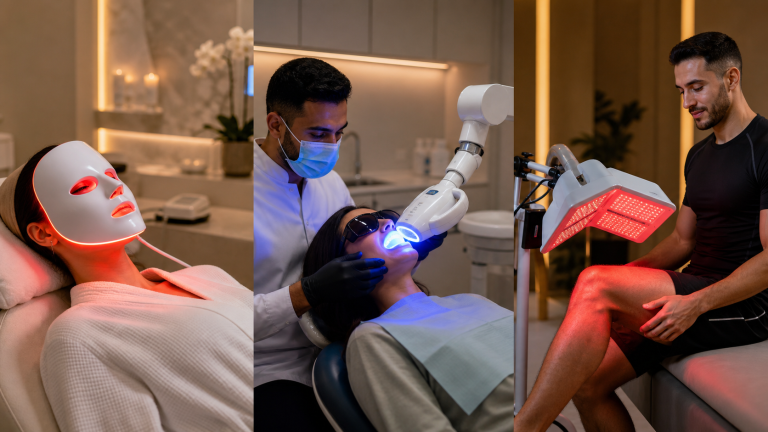
For more on Dubai’s technology-led wellness scene, explore ORA’s guide to Dubai’s growing longevity sector and our look at whether light therapy can really improve skin, teeth and joints.
The ORA view
Neurowellness is interesting because it speaks to a very 2026 problem: people can be successful, productive and physically healthy while still feeling mentally crowded.
The idea behind it is genuinely intriguing: training is no longer only about doing more. It may also be about recovering faster, reacting less and knowing when to switch off.
Dubai has spent years optimising the body. Now it is looking inside the control room.